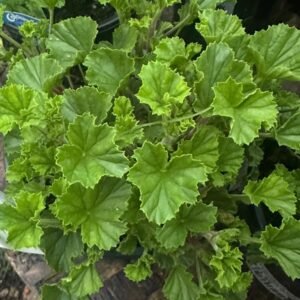
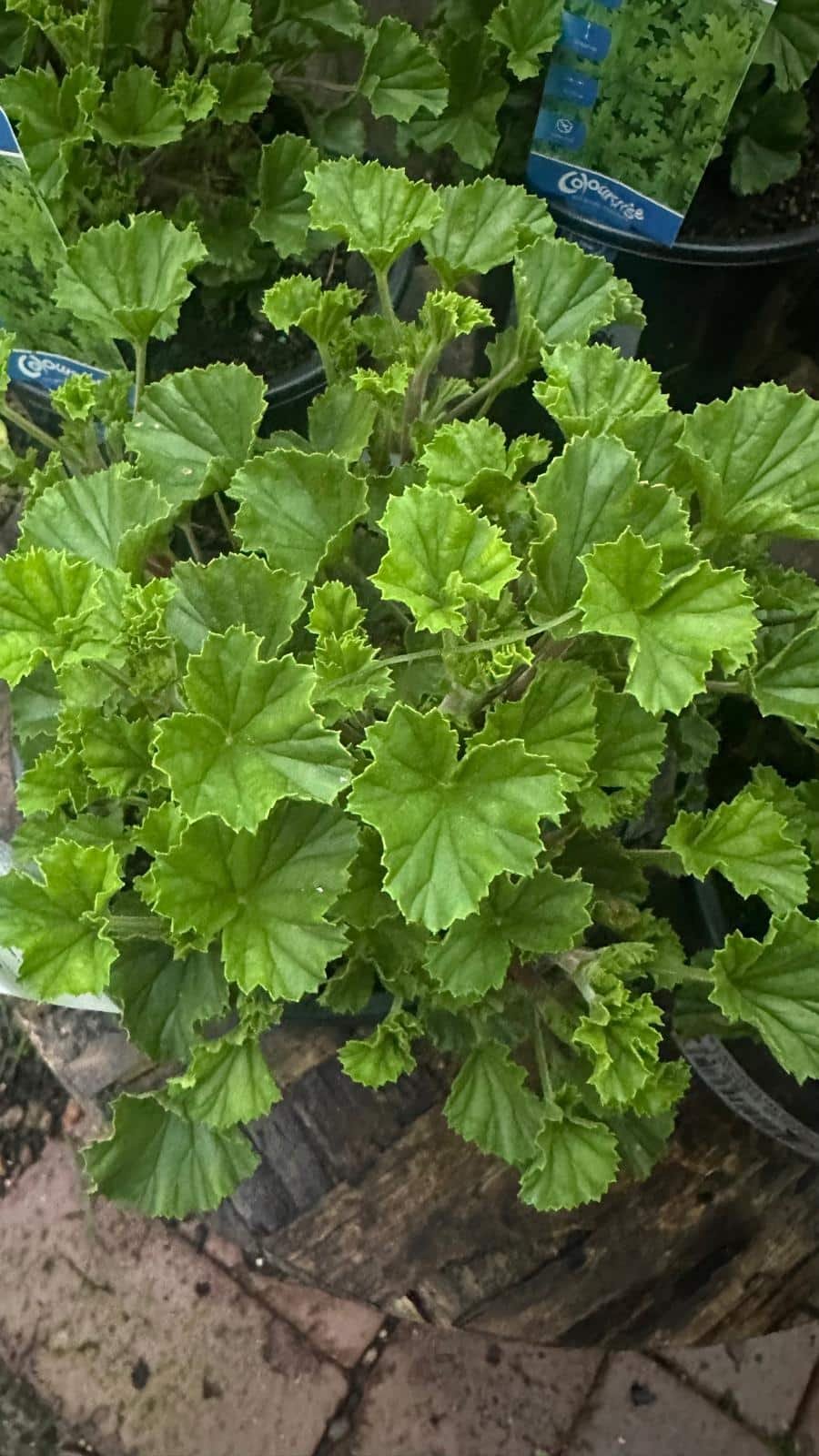
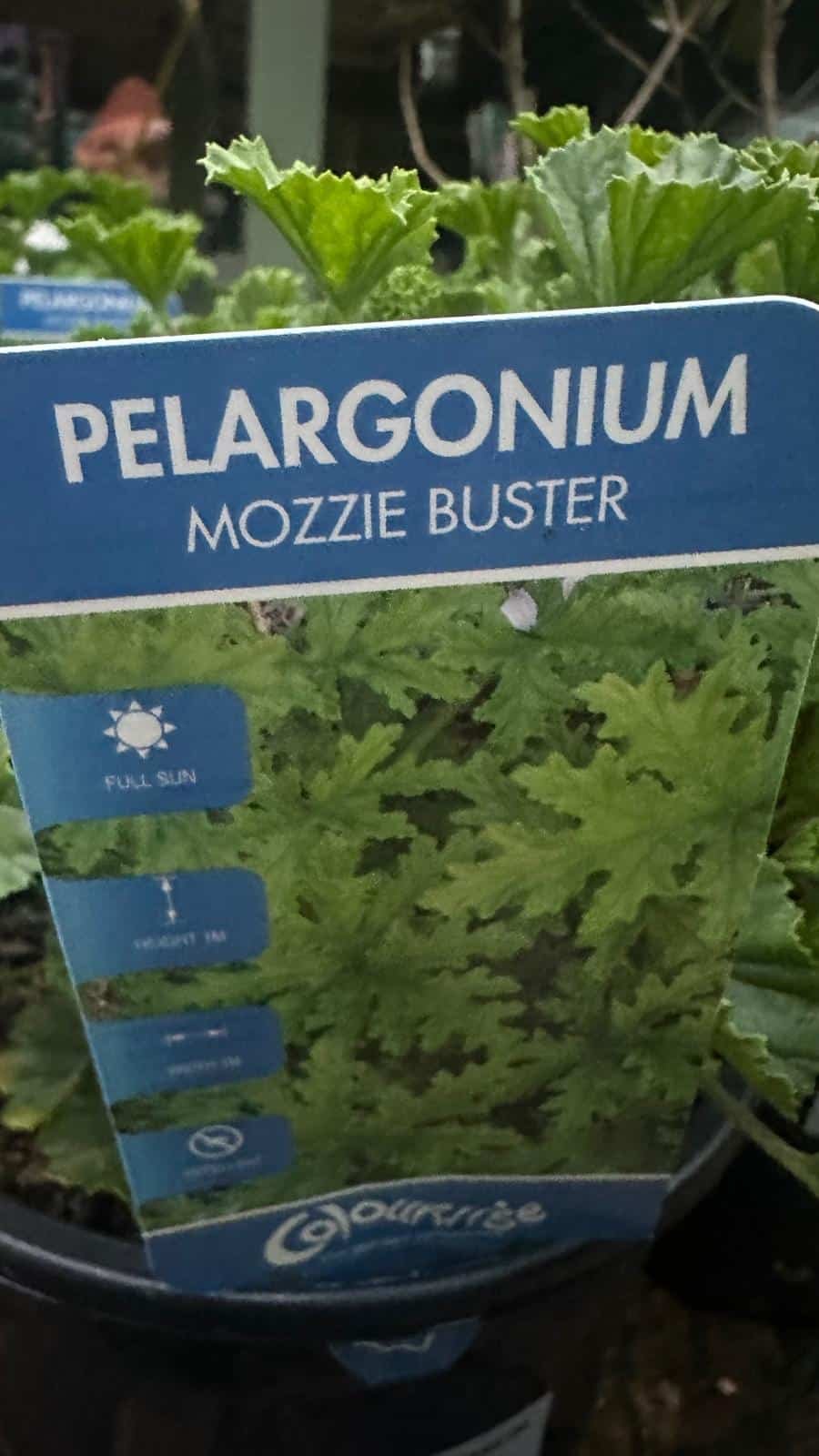
Often marketed as a ‘Citronella Plant’ or ‘Mosquito Plant’, Pelargonium ‘citrosum’ is a scented geranium renowned for its powerful, citrus-like fragrance. The scientific name is often disputed, with some sources suggesting it’s a cultivar of Pelargonium graveolens or Pelargonium cucullatum. Regardless of its exact lineage, it’s a popular perennial subshrub with deeply cut, fern-like leaves that release a strong scent when bruised or brushed against. It’s important to note that, despite its common name and marketing, scientific studies have shown that this plant on its own is largely ineffective at repelling mosquitoes.
Usage This plant is grown almost exclusively for its delightful scent and attractive foliage. It’s an excellent addition to pots and containers on patios and balconies, especially where you can easily brush past it to release its fragrance. It can also be planted in garden beds near entertaining areas or along pathways. The plant’s textured leaves and sometimes delicate pinkish-purple flowers add a lovely visual element to the garden.
Care Tips
- Sunlight: Prefers a position with full sun to part shade. In hot climates, some afternoon shade can prevent the leaves from scorching. Indoors, it needs a bright spot with plenty of light to prevent it from becoming leggy.
- Soil: Requires well-drained soil. A standard potting mix with added grit or a cactus and succulent mix is ideal for containers. Poor drainage is the most common reason for this plant to fail.
- Watering: Water deeply but allow the soil to dry out almost completely between waterings. It is quite drought-tolerant once established. Overwatering is a serious risk and can lead to root rot.
- Fertilising: A light feed with a balanced, slow-release fertiliser in spring is usually sufficient. For potted plants, a diluted liquid feed during the warmer growing season can be beneficial.
- Pruning: To maintain a bushy and compact shape, regularly pinch out the growing tips. You can also prune it back more heavily in late winter or early spring to encourage new, dense growth.
- Overwintering: In colder climates where frosts are a risk, the plant is typically treated as an annual or brought indoors to a sunny, protected spot over winter.
- Pests & Diseases: Generally a hardy plant, but keep an eye out for common pests like aphids, whiteflies, and scale. Overwatering is the biggest threat to its health.