Loved by Thousands of Aussie Homeowners

25+ Years of Horticulture Expertise

Thrives Guaranteed or We Fix It

• Native to Southeast Asia and Pacific islands, belonging to the Euphorbiaceae family with over 100 cultivars available worldwide.
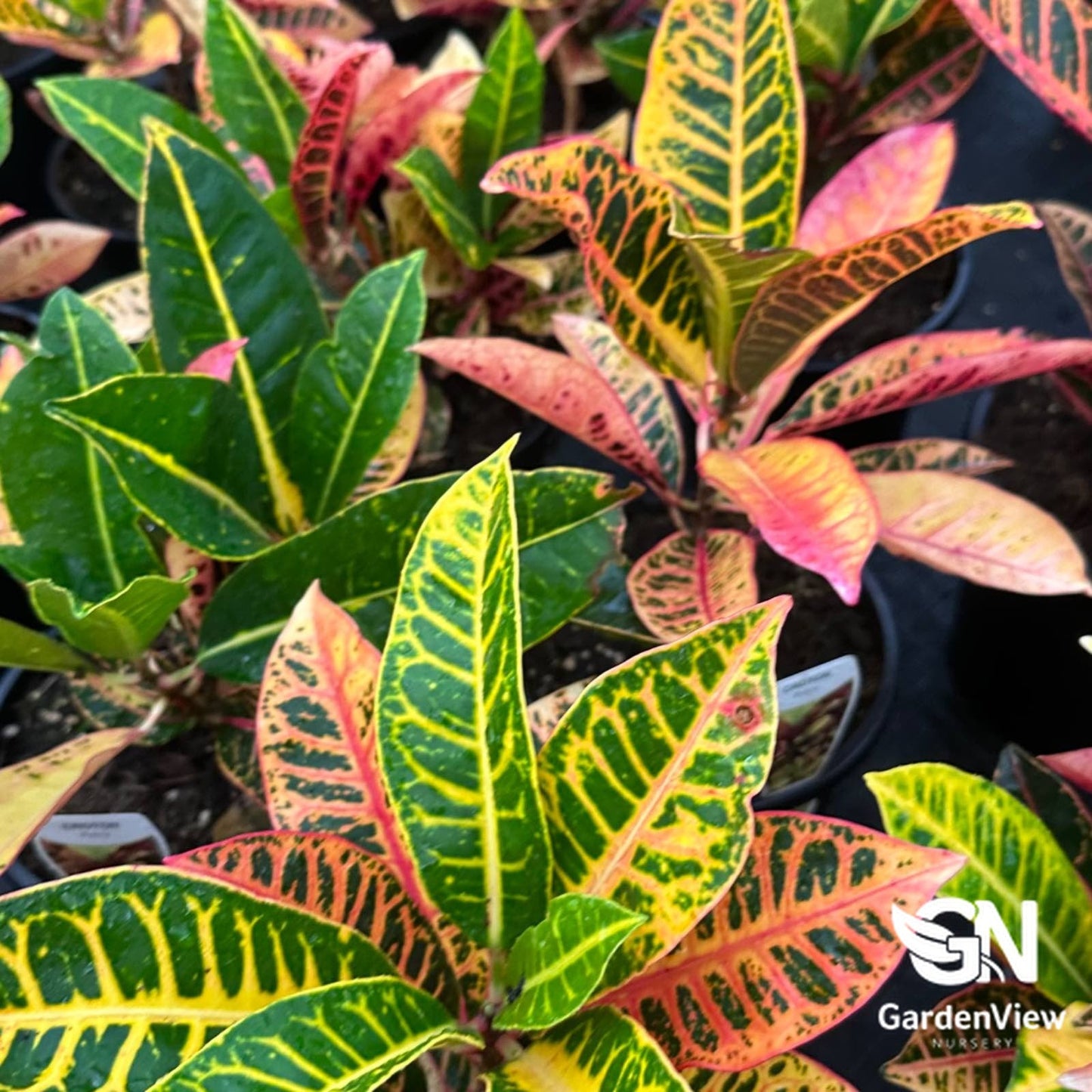
• Leaves change colour intensity based on light exposure, with brighter conditions producing more vivid reds, yellows and oranges.
• Popular houseplant since Victorian times, prized for adding instant tropical ambiance to homes and conservatories.
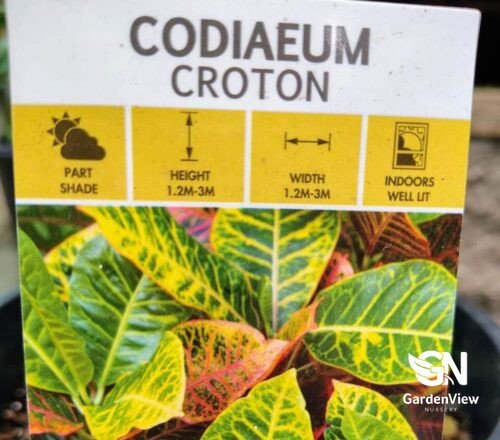
• Can reach 1-3 metres outdoors in warm climates but typically stays 60cm-1.5m as an indoor plant with regular pruning.

• Water when top 2-3cm of soil feels dry, typically every 5-7 days in summer and every 10-14 days in winter.
• Position in bright, indirect light near an east or north-facing window, avoiding harsh afternoon sun that fades leaf colours.
• Use well-draining potting mix with added perlite or orchid bark to prevent waterlogging and root rot.
• Feed monthly with balanced liquid fertiliser during spring and summer growing season, reducing to every 6-8 weeks in winter.
• Prune leggy growth in spring to maintain bushy shape and encourage new colourful foliage development.
• Maintain humidity above 50% with regular misting, humidity trays, or by grouping with other tropical plants.

• Provide bright, indirect light indoors or filtered sunlight outdoors to maintain vibrant leaf colours. Avoid direct harsh sunlight which can scorch leaves.
• Water when the top inch of soil feels dry, maintaining consistent moisture without waterlogging. Reduce watering in winter months.
• Maintain high humidity around 50-60% using pebble trays or humidifiers. Mist leaves regularly but avoid wetting the soil surface.
• Keep temperatures between 18-24°C year-round, protecting from cold drafts and sudden temperature changes. Move indoors during Australian winter in cooler climates.

• Spider mites appear in dry conditions causing fine webbing and yellowing leaves. Increase humidity and spray with neem oil weekly until cleared.
• Scale insects create sticky honeydew and yellow spots on leaves. Remove manually with alcohol-soaked cotton buds and apply systemic insecticide.
• Leaf drop occurs from sudden temperature changes, overwatering, or insufficient light. Maintain consistent conditions and check soil moisture regularly.
• Root rot develops in waterlogged soil causing wilting and blackened roots. Reduce watering frequency and ensure excellent drainage in pots.

faq

How often should I water Codiaeum Croton?

Codiaeum Croton should be watered every 5-7 days during warmer months and every 10-14 days in winter. Check the top 2-3cm of soil and water when it feels dry to touch. Maintain consistent moisture without allowing the plant to sit in waterlogged soil.

Is Codiaeum Croton safe for pets?

No, Codiaeum Croton is toxic to cats, dogs and humans if ingested. The milky sap contains compounds that can cause vomiting, diarrhea and skin irritation. Keep this beautiful plant away from curious pets and children. Shop Pet Safe Plants from Garden View Nursery.

How fast does Codiaeum Croton grow?

Codiaeum Croton has a moderate growth rate, typically growing 15-30cm annually under ideal conditions. Growth speed depends on light exposure, temperature consistency, humidity levels and regular feeding. Brighter light and warmer temperatures promote faster, more colourful foliage development throughout the growing season.

Does Codiaeum Croton prefer full sun or shade?

Codiaeum Croton prefers bright, indirect light to maintain its vibrant leaf colours. Place near east or north-facing windows indoors, or in filtered morning sun outdoors. In Australian conditions, protect from harsh afternoon sun which can fade the spectacular leaf patterns.

How big does Codiaeum Croton get?

Codiaeum Croton typically reaches 60cm-1.5m tall indoors and up to 3m outdoors in warm climates. It naturally develops a bushy, upright growth habit with regular branching. Control size through annual pruning in spring, pinching growing tips to encourage fuller growth.

Why is my Codiaeum Croton dying?

The most common cause of Codiaeum Croton dying is inconsistent watering or sudden environmental changes. Overwatering, insufficient light, low humidity, temperature fluctuations and pest infestations also contribute to decline. Talk to Our Plant Experts at Garden View Nursery for personalised help.

Can I grow Codiaeum Croton in a pot?

Yes, Codiaeum Croton grows excellently in pots and is commonly grown as a container plant. Choose a pot with drainage holes at least 20-30cm wide with well-draining potting mix. Repot every 2-3 years when roots become crowded. Shop Pots & Planters at Garden View Nursery.

How much does Codiaeum Croton cost in Australia?

Codiaeum Croton costs $15-$80 in Australia depending on size and variety. At Garden View Nursery, our healthy, expertly-grown plants offer exceptional value with vibrant colours, strong root systems and careful acclimatisation for Australian conditions. Buy Codiaeum Croton Now from Garden View Nursery.

Don't Take Our Word For It

The Proof Is in the Planting... 150+ five-star Google reviews from happy gardeners across NSW, VIC, QLD & beyond.

  •  

    Breathe Cleaner Air

    Did you know indoor air can be five times more polluted than outside? Our air-purifying collection naturally filters harmful toxins, increases oxygen levels and creates a fresher, healthier home environment - for you and your family.
  •  

    Plants That Heal You

    Reduce stress, lower anxiety and create instant calm. Our carefully curated collection features nature's most soothing varieties — scientifically proven to improve mood, purify air, and transform any space into a personal sanctuary.
  •  

    Sleep Better Tonight

    Breathe easier. Rest deeper. Bedroom-proven plants that release oxygen at night, filter airborne toxins and create the perfect sleeping environment - so you wake up restored, refreshed and ready every single morning.
  •  

    Drought Proof Garden

    Water bills rising? Our water-wise outdoor collection features Australia's toughest, most beautiful drought-tolerant plants — built to survive harsh summers, thrive with minimal watering and keep your garden looking stunning all year long.
  • Person holding a potted plant above their head with a white background
     

    Plants That Make You Happy

    Science proves it - living with plants boosts serotonin, lifts your mood and sparks instant joy. Bring colour, life and happiness into every corner of your home

Recently viewed

  • Free Delivery Over $100

    Spend over $100 and we'll deliver your plants straight to your door - fresh, packed and on time.

  • 30 Day Money Back Guarantee

    Shop with complete confidence - if you're not happy, we'll make it right. No questions asked.

  • FREE In-store Garden Design

    Visit us in Sydney and our expert horticulturists will design your perfect garden - completely FREE.

  • Buy Now. Pay Later.

    Spread the cost of your garden with Afterpay and other flexible payment options at checkout.