Loved by Thousands of Aussie Homeowners

25+ Years of Horticulture Expertise

Thrives Guaranteed or We Fix It

• Native to coastal areas of southern and eastern Australia, naturally growing in sandy soils and dune systems.
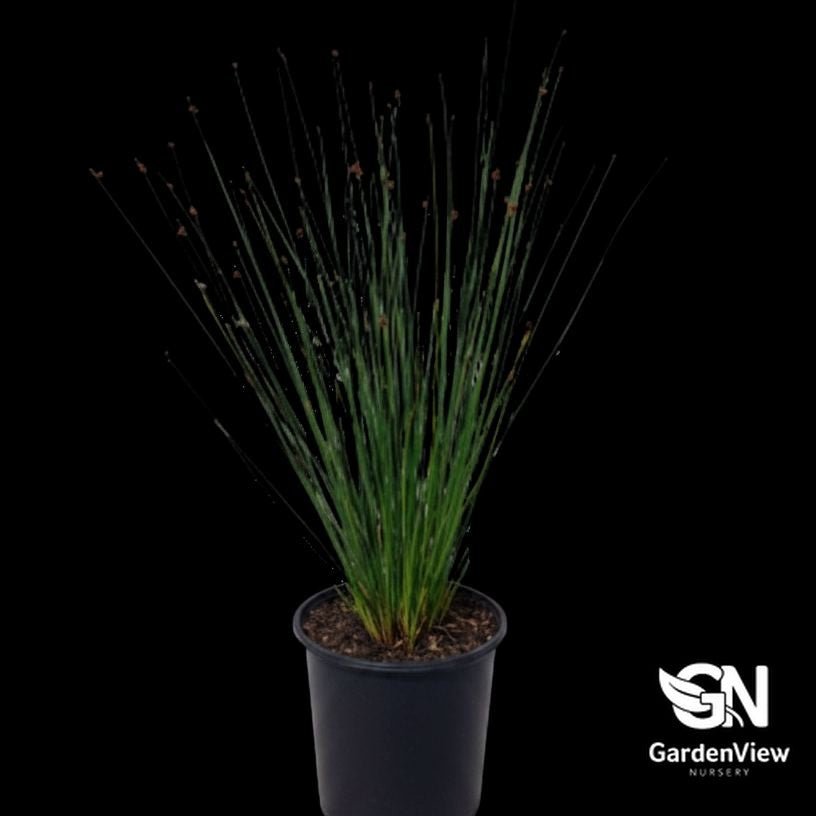
• Forms dense clumps of narrow, rush-like foliage with distinctive nodular seed heads that give the plant its common name.
• Extremely drought tolerant once established, requiring minimal water and thriving in poor soils.
• Popular choice for sustainable landscaping due to its low maintenance requirements and excellent erosion control properties.
• Attracts small native birds that feed on the seeds, supporting local wildlife in garden settings.

• Water weekly during establishment, then monthly once mature. Increase slightly during hot summer periods but avoid overwatering.
• Position in full sun for compact growth and best seed production. Tolerates light shade but may become leggy.
• Plant in sandy, well-draining soil with neutral to slightly alkaline pH. Add coarse sand if soil is too heavy.
• Feed sparingly with native plant fertiliser in spring. Over-fertilising can cause excessive soft growth.
• Trim back by one-third in late winter to remove old foliage and encourage dense new growth.
• Mulch lightly around plants but keep mulch away from the crown to prevent moisture retention.
• Divide established clumps every 3-4 years in spring to maintain vigour and spread plantings.

• Provide full sun to partial shade for best growth and seed head development. Morning sun with afternoon protection works well in hot inland areas.
• Water deeply but infrequently, allowing soil to dry between waterings. Reduce watering significantly in winter months.
• Plant in well-draining sandy or loamy soil with good drainage. Avoid heavy clay soils that retain moisture.
• Tolerates coastal winds and salt spray exceptionally well. No special humidity requirements needed.
• Trim back old foliage in late winter to encourage fresh spring growth and maintain tidy appearance.

• Root rot can occur in poorly draining soils, especially clay. Improve drainage with sand or gravel and reduce watering frequency.
• Aphids may attack new growth in spring. Spray with insecticidal soap or encourage beneficial insects like ladybirds.
• Fungal leaf spots appear in humid conditions with poor air circulation. Space plants adequately and avoid overhead watering.
• Slugs and snails may damage young shoots in winter. Apply organic snail bait or create copper barriers around plants.

faq

How often should I water Ficinia Nodosa?

Ficinia Nodosa needs watering weekly during establishment, then monthly once mature. During hot Australian summers, increase to fortnightly watering. Always check soil dryness first as this native grass prefers to dry out between waterings and is very drought tolerant.

Is Ficinia Nodosa safe for pets?

Yes, Ficinia Nodosa is safe for pets including cats and dogs. This Australian native grass is non-toxic and won't harm animals if nibbled. It's an excellent choice for pet-friendly gardens. Shop Pet Safe Plants from Garden View Nursery.

How fast does Ficinia Nodosa grow?

Ficinia Nodosa grows at a slow to moderate rate, typically spreading 20-30cm per year once established. Growth speed depends on soil conditions, watering, and climate. It grows faster in sandy soils with good drainage and regular water during the first year.

Does Ficinia Nodosa prefer full sun or shade?

Ficinia Nodosa prefers full sun for best growth and compact form. It tolerates partial shade but may become leggy. In hot inland Australian areas, morning sun with light afternoon shade is ideal for preventing heat stress while maintaining healthy growth.

How big does Ficinia Nodosa get?

Ficinia Nodosa reaches 40-60cm tall and spreads 60-100cm wide at maturity. It forms dense, clumping mounds that gradually expand outward. Regular trimming in late winter helps control size and maintain a tidy, compact appearance in smaller garden spaces.

Why is my Ficinia Nodosa dying?

The most common cause of Ficinia Nodosa dying is overwatering and poor drainage leading to root rot. Other causes include planting in heavy clay soil, excessive shade, or frost damage in cold areas. Talk to Our Plant Experts at Garden View Nursery for personalised help.

Can I grow Ficinia Nodosa in a pot?

Yes, Ficinia Nodosa grows excellently in pots with proper care. Use a large container at least 40cm wide with multiple drainage holes. Plant in a sandy, well-draining potting mix and water less frequently than garden plants. Shop Pots & Planters at Garden View Nursery.

How much does Ficinia Nodosa cost in Australia?

Ficinia Nodosa costs $15-$45 in Australia depending on size and maturity. Our Garden View Nursery plants are expertly grown, healthy, and selected for Australian conditions, ensuring excellent establishment and long-term success in your garden. Buy Ficinia Nodosa Now from Garden View Nursery.

Don't Take Our Word For It

The Proof Is in the Planting... 150+ five-star Google reviews from happy gardeners across NSW, VIC, QLD & beyond.

  •  

    Breathe Cleaner Air

    Did you know indoor air can be five times more polluted than outside? Our air-purifying collection naturally filters harmful toxins, increases oxygen levels and creates a fresher, healthier home environment - for you and your family.
  •  

    Plants That Heal You

    Reduce stress, lower anxiety and create instant calm. Our carefully curated collection features nature's most soothing varieties — scientifically proven to improve mood, purify air, and transform any space into a personal sanctuary.
  •  

    Sleep Better Tonight

    Breathe easier. Rest deeper. Bedroom-proven plants that release oxygen at night, filter airborne toxins and create the perfect sleeping environment - so you wake up restored, refreshed and ready every single morning.
  •  

    Drought Proof Garden

    Water bills rising? Our water-wise outdoor collection features Australia's toughest, most beautiful drought-tolerant plants — built to survive harsh summers, thrive with minimal watering and keep your garden looking stunning all year long.
  • Person holding a potted plant above their head with a white background
     

    Plants That Make You Happy

    Science proves it - living with plants boosts serotonin, lifts your mood and sparks instant joy. Bring colour, life and happiness into every corner of your home

Recently viewed

  • Free Delivery Over $100

    Customers within 10 km radius of our Annangrove Nursery gets FREE delivery on order over $100

  • 30 Day Money Back Guarantee

    Shop with complete confidence - if you're not happy, we'll make it right. No questions asked.

  • FREE In-store Garden Design

    Visit us in Sydney and our expert horticulturists will design your perfect garden - completely FREE.

  • Buy Now. Pay Later.

    Spread the cost of your garden with Afterpay and other flexible payment options at checkout.