Loved by Thousands of Aussie Homeowners

25+ Years of Horticulture Expertise

Thrives Guaranteed or We Fix It

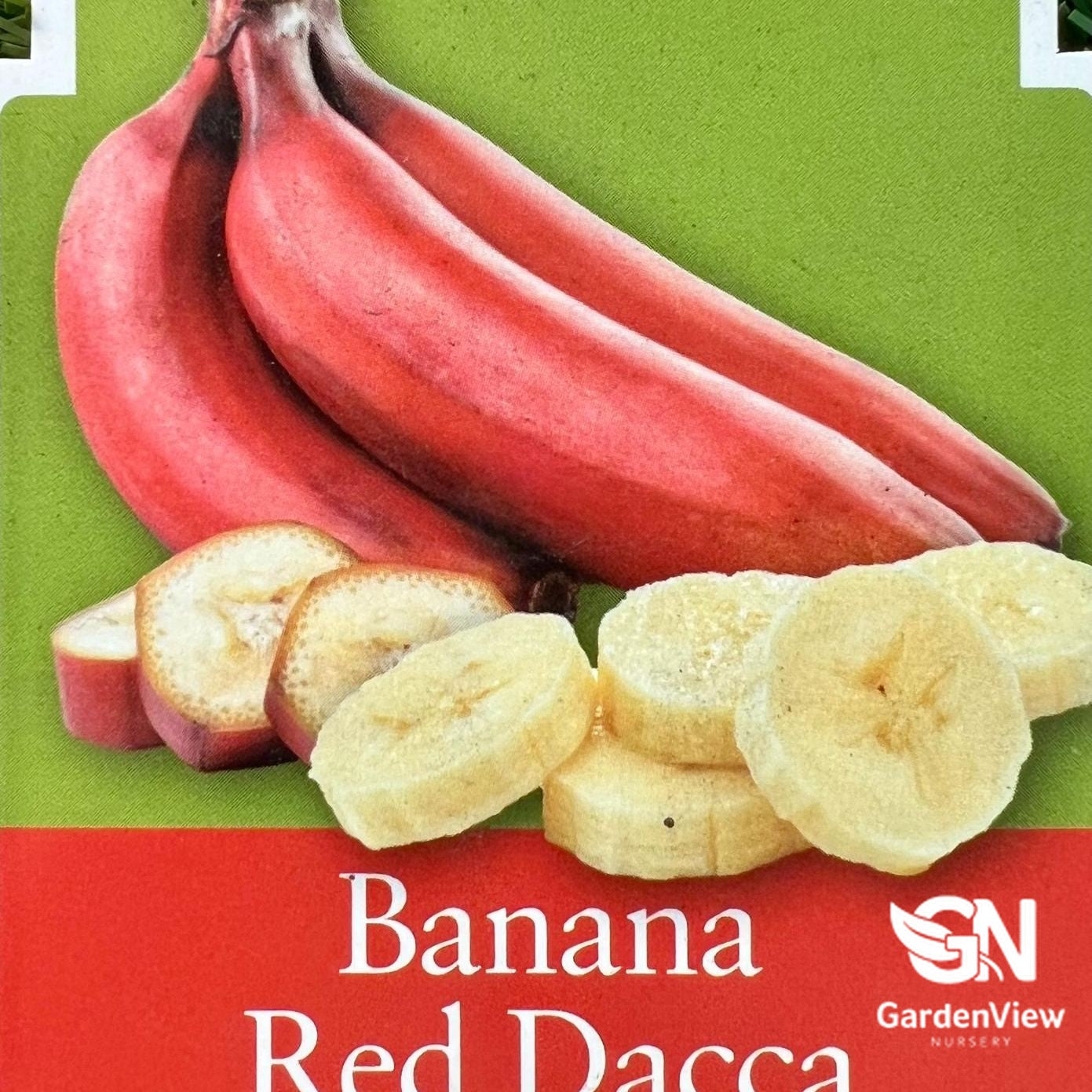
• Musa Acuminata Red Dacca originates from Southeast Asia and is prized for its sweet, aromatic fruit with distinctive red-tinged skin. It's a classic dessert banana variety beloved by home gardeners.
• This cultivar produces medium-sized bunches of delicious fruit that are sweeter and creamier than common Cavendish bananas. The fruits have excellent flavour when allowed to ripen fully on the plant.
• Red Dacca grows as a herbaceous perennial with a pseudostem formed from tightly wrapped leaf bases. It reaches a manageable height, making it suitable for suburban gardens.
• Gardeners love this variety for its dual purpose as an ornamental feature and productive fruit plant. The dramatic tropical foliage creates instant impact in any garden setting.
• New suckers continuously emerge from the base, ensuring ongoing fruit production for years. After the main stem fruits and dies back, these suckers take over.

• Water deeply 2-3 times weekly in summer, ensuring soil remains consistently moist but not saturated. Reduce to weekly watering in winter when growth naturally slows.
• Position in a sunny spot with protection from strong winds that can shred the large leaves. A north-facing location near a fence or wall provides ideal conditions in most Australian gardens.
• Plant in rich, well-draining soil enriched with plenty of compost and aged manure. Bananas are heavy feeders and benefit from nutrient-rich growing medium.
• Apply a balanced fertilizer high in potassium every 4 weeks during the growing season from September to March. Supplement with liquid seaweed or fish emulsion fortnightly.
• Prune away dead or damaged leaves throughout the year to maintain appearance and plant health. Cut the main fruiting stem to ground level after harvest.
• Maintain humidity by mulching thickly with organic matter and watering the surrounding area. Group with other tropical plants to create a humid microclimate.
• In winter, protect from frost by wrapping the pseudostem with hessian or moving potted specimens under cover. In cold areas, consider growing in a greenhouse or conservatory.
• Thin suckers to 2-3 strong shoots to maintain vigor and fruit quality. Allow one sucker to replace the fruiting stem each season.

• Plant in full sun to partial shade, ensuring at least 6 hours of direct sunlight daily for optimal fruit production. Morning sun with afternoon shade works well in hot inland areas.
• Water deeply and regularly, keeping soil consistently moist but never waterlogged during active growth. Reduce watering in winter when growth slows.
• Maintain high humidity around the plant by mulching heavily and grouping with other tropical plants. Mist foliage regularly during dry spells.
• Protect from frost and cold winds as temperatures below 10°C will damage foliage and stop growth. Grow in sheltered, warm microclimates in cooler regions.
• Feed monthly during spring and summer with high-potassium fertilizer to support fruit development. Apply thick organic mulch to retain moisture and suppress weeds.
• Remove dead leaves and spent flower stalks regularly to maintain plant health. Cut down the main stem after fruiting to encourage new suckers.

• Banana aphids can cluster on new growth and flower stalks, causing leaf distortion and spreading disease. Spray with insecticidal soap or neem oil, and encourage natural predators like ladybirds.
• Panama disease (fusarium wilt) causes yellowing and wilting of leaves from the base upwards. Remove and destroy affected plants immediately, and avoid planting bananas in the same spot.
• Overwatering leads to root rot, characterized by yellowing leaves and mushy stems. Ensure excellent drainage and reduce watering frequency, allowing soil to dry slightly between waterings.
• Two-spotted mites cause fine webbing and stippling on leaves during hot, dry weather. Increase humidity around the plant and spray undersides of leaves with water or miticide.
• Leaf spot diseases appear as brown or black spots on foliage in humid conditions. Remove affected leaves, improve air circulation, and avoid overhead watering.

faq

How often should I water Musa Acuminata (Banana Red Dacca)?

Musa Acuminata Red Dacca requires regular, consistent watering to thrive. Water deeply 2-3 times per week during spring and summer, keeping the soil moist but never waterlogged. Reduce to weekly watering in winter. Always check that the top 5cm of soil has dried slightly before watering again to prevent root rot.

Is Musa Acuminata (Banana Red Dacca) safe for pets?

Yes, Musa Acuminata Red Dacca is non-toxic and safe for pets including dogs, cats, and other animals. Both the foliage and fruit are harmless if consumed, making this banana plant a pet-friendly choice for Australian gardens. However, pets may damage the large leaves through play. Shop Pet Safe Plants from Garden View Nursery.

How fast does Musa Acuminata (Banana Red Dacca) grow?

Musa Acuminata Red Dacca is a fast-growing tropical plant that can grow 1-2 metres per year under ideal conditions. In warm, frost-free Australian climates with consistent moisture and fertilizer, it can reach fruiting size within 12-18 months. Growth slows considerably in winter and in cooler regions with less than optimal sunlight.

Does Musa Acuminata (Banana Red Dacca) prefer full sun or shade?

Musa Acuminata Red Dacca prefers full sun for best fruit production, requiring at least 6 hours of direct sunlight daily. In hot inland Australian areas, provide afternoon shade to prevent leaf scorch. Morning sun with dappled afternoon shade is ideal in subtropical regions. Avoid deep shade which reduces fruiting and overall vigor.

How big does Musa Acuminata (Banana Red Dacca) get?

Musa Acuminata Red Dacca typically reaches 3-4 metres in height with a spread of 2-3 metres at maturity. This makes it a medium-sized banana variety suitable for suburban gardens. Regular removal of older suckers helps control spread and maintain manageable size. The plant can be kept smaller in pots with regular pruning.

Why is my Musa Acuminata (Banana Red Dacca) dying?

The most common reason Musa Acuminata Red Dacca dies is overwatering leading to root rot, especially in poorly draining soil. Other causes include frost damage, severe pest infestations like banana aphids, or fusarium wilt disease. Check soil drainage, reduce watering, inspect for pests, and ensure adequate warmth. Talk to Our Plant Experts at Garden View Nursery for personalised help.

Can I grow Musa Acuminata (Banana Red Dacca) in a pot?

Yes, Musa Acuminata Red Dacca can be successfully grown in a large pot or container. Choose a pot at least 60cm wide and deep with excellent drainage holes. Use a rich, well-draining potting mix and feed regularly as nutrients leach faster in containers. Potted plants may stay smaller but still produce fruit. Shop Pots and Planters at Garden View Nursery.

How much does Musa Acuminata (Banana Red Dacca) cost in Australia?

Musa Acuminata Red Dacca typically costs between 25 and 120 dollars in Australia, depending on plant size and maturity. Smaller plants start around 25-40 dollars, while larger specimens can reach 80-120 dollars. At Garden View Nursery, we offer premium quality plants at competitive prices with expert growing advice. Buy Musa Acuminata Red Dacca Now from Garden View Nursery.

Don't Take Our Word For It

The Proof Is in the Planting... 150+ five-star Google reviews from happy gardeners across NSW, VIC, QLD & beyond.

  •  

    Breathe Cleaner Air

    Did you know indoor air can be five times more polluted than outside? Our air-purifying collection naturally filters harmful toxins, increases oxygen levels and creates a fresher, healthier home environment - for you and your family.
  •  

    Plants That Heal You

    Reduce stress, lower anxiety and create instant calm. Our carefully curated collection features nature's most soothing varieties — scientifically proven to improve mood, purify air, and transform any space into a personal sanctuary.
  •  

    Sleep Better Tonight

    Breathe easier. Rest deeper. Bedroom-proven plants that release oxygen at night, filter airborne toxins and create the perfect sleeping environment - so you wake up restored, refreshed and ready every single morning.
  •  

    Drought Proof Garden

    Water bills rising? Our water-wise outdoor collection features Australia's toughest, most beautiful drought-tolerant plants — built to survive harsh summers, thrive with minimal watering and keep your garden looking stunning all year long.
  • Person holding a potted plant above their head with a white background
     

    Plants That Make You Happy

    Science proves it - living with plants boosts serotonin, lifts your mood and sparks instant joy. Bring colour, life and happiness into every corner of your home

Recently viewed

  • Free Delivery Over $100

    Customers within 10 km radius of our Annangrove Nursery gets FREE delivery on order over $100

  • 30 Day Money Back Guarantee

    Shop with complete confidence - if you're not happy, we'll make it right. No questions asked.

  • FREE In-store Garden Design

    Visit us in Sydney and our expert horticulturists will design your perfect garden - completely FREE.

  • Buy Now. Pay Later.

    Spread the cost of your garden with Afterpay and other flexible payment options at checkout.